
Category: Uncategorized

  • Balancing School and Fencing: How to Manage Academics and Training

    Balancing School and Fencing: How to Manage Academics and Training

    Estimated reading time: 4 minutes

    As a parent, I know firsthand how challenging it can be to help your child manage the demands of school and fencing. Being a student athlete is rewarding, but it requires careful planning and support to maintain a healthy balance. Ensuring your child has a structured fencing training schedule while keeping up academically can seem overwhelming at first. I’ve noticed it’s often easier to accommodate fencing tournaments and related absences during elementary and middle school, but high school presents additional challenges. Advanced Placement (AP) courses, honors classes, and increased academic responsibilities can make balancing school and fencing even tougher. In this guide, I’ll share practical advice and strategies from my experience to help your child achieve a positive youth fencing balance without compromising their academic performance.

    Setting a Realistic Training Schedule

    One of the most effective ways to support your child’s success as a student athlete is to set up a realistic and manageable fencing training schedule. Balancing training and academics doesn’t mean sacrificing one for the other; rather, it’s about planning strategically to ensure your child can excel in both areas. Creating a balanced fencing training schedule is the first crucial step. Your child’s training should complement their school workload, not conflict with it. Here’s how you can help:

    • Plan training sessions around academic commitments.
    • Prioritize consistent practice over excessively long sessions.
    • Include rest and recovery days to prevent burnout.

    For my child, setting clear and consistent schedules early on helped them stay organized and motivated.

    Parent Tip: Use a visual planner or calendar that your child can easily access to manage their fencing and school responsibilities clearly.

    Prioritizing Academics and Training

    As your child advances through school, especially in higher grades, their academic workload will naturally increase. Prioritizing between academics and fencing becomes critical to their continued success and enjoyment. Helping your child understand how to prioritize tasks can ease stress significantly. Work together to:

    • Set clear academic and athletic goals.
    • Identify peak academic periods, such as exams or major projects, and adjust fencing training accordingly.
    • Encourage them to communicate openly about workload challenges.

    By discussing weekly priorities together, my child became more proactive in balancing school assignments and fencing commitments.

    Parent Tip: Regular check-ins with your child help you stay informed about their stress levels and make timely adjustments.

    Effective Time Management Strategies

    Learning effective time management is vital for any student athlete aiming to maintain strong academic performance and consistent fencing improvement. Without proper planning, juggling both responsibilities can become stressful quickly. Good time management skills are essential for every student athlete. Encourage your child to:

    • Break down large tasks into smaller, manageable pieces.
    • Set specific time blocks for homework and training.
    • Minimize distractions by creating a focused study environment.

    Implementing these strategies has helped my child manage their time efficiently, reducing last-minute stress and promoting better performance in both academics and fencing.

    Parent Tip: Teach your child to use short breaks effectively—taking short, regular breaks can refresh their mind and improve productivity.

    Supporting Physical and Mental Health

    Balancing schoolwork and intense fencing training can put significant strain on your child’s physical and mental health. As parents, it’s essential that we provide consistent support and guidance to help our children stay healthy and avoid burnout. Balancing schoolwork and fencing can put stress on your child’s physical and mental well-being. As a parent, it’s important to support them by:

    • Ensuring they maintain a nutritious diet and get sufficient sleep.
    • Encouraging regular physical breaks and downtime for relaxation.
    • Being attentive to signs of stress or anxiety and addressing them proactively.

    Prioritizing rest and self-care helps my child stay energized and focused during training and school.

    Parent Tip: Make sure your child knows it’s okay to speak up if they feel overwhelmed or stressed—open communication helps prevent burnout.

    Building a Support Network

    Creating a strong and supportive network around your child can greatly enhance their ability to manage the dual demands of academics and fencing. This network includes teachers, coaches, teammates, and fellow fencing families, all of whom play a crucial role in supporting your child’s overall well-being and success. Having a strong support network can make a significant difference in your child’s success. Encourage your child to:

    • Communicate regularly with teachers about fencing commitments.
    • Connect with teammates and other fencing families who understand their experiences.
    • Work closely with coaches to tailor training around academic needs.

    Being part of a supportive community has greatly benefited my child’s ability to balance school and fencing, reducing their overall stress.

    Parent Tip: Foster relationships with teachers, coaches, and other parents to create a supportive network that helps your child thrive both academically and athletically.

    Final Thoughts on Fencing and Academics

    Finding a healthy balance between school and fencing requires ongoing adjustments and open communication. By actively supporting your child with effective time management, structured fencing training schedules, and prioritizing their health, you help them succeed as a student athlete. Remember, the goal is not just to excel in fencing or academics alone, but to build a balanced lifestyle that benefits your child well beyond the fencing strip.
  • Fencing Classes & Private Lessons: Best Approach for Your Fencer

    Fencing Classes & Private Lessons: Best Approach for Your Fencer

    Estimated reading time: 4 minutes

    As a parent, choosing the best fencing training programs for your child can feel overwhelming. Do they need group fencing classes, private fencing lessons, or a combination of both? Every fencer is unique, and understanding the benefits of each approach can help you decide what’s best for your child’s fencing journey. Consistency is crucial, especially in the early stages—regularly attending classes helps your child build solid fundamentals, while also developing discipline and commitment. Additionally, encouraging your child to participate in local tournaments can provide valuable experience, build confidence, and gradually prepare them for regional or national competitions. From my experience as a fencing parent, here’s a breakdown of each training option and tips on how to find the perfect balance for your child’s growth and enjoyment in the sport.

    Benefits of Fencing Classes

    Group fencing classes are typically the first step in a young fencer’s journey. They provide a fun, engaging environment where children can learn the basics and enjoy the sport with friends. Beyond simply learning fencing techniques, these classes teach important life skills such as teamwork, discipline, and respect.

    These classes specifically help young fencers:

    • Develop teamwork and sportsmanship.
    • Gain motivation from practicing with others.
    • Learn by observing and interacting with fellow students.

    When my child first started fencing, group classes were fantastic for building friendships and making fencing fun. The energy and camaraderie in classes boosted their enthusiasm for the sport.

    Parent Tip: Choose a fencing club with smaller class sizes to ensure your child receives enough individual attention during group sessions.

    Advantages of Fencing Private Lessons

    Private fencing lessons offer a more focused and individualized approach to learning. This type of training is ideal for fencers who want to accelerate their progress, refine specific skills, or prepare for competitions. Private lessons provide direct, personalized instruction tailored precisely to your child’s strengths and weaknesses.

    The benefits of one-on-one instruction include:

    • Personalized feedback and quick skill corrections.
    • Customized drills focusing on your child’s strengths and weaknesses.
    • Faster improvement and confidence-building in their fencing skills.

    I noticed a significant jump in my child’s confidence and technique after adding private lessons to their schedule. The individual attention helped them quickly fix small errors and improve faster.

    Parent Tip: Consider private lessons especially if your child struggles with specific techniques or needs an extra confidence boost.

    Finding the Right Balance

    Many parents wonder if there’s a perfect combination of fencing classes and private lessons. From my experience, blending both training methods provides the best results, offering a well-rounded approach. Combining group sessions with private lessons can help your child enjoy fencing socially while also addressing individual challenges efficiently.

    This balanced approach allows your child to:

    • Build friendships and enjoy group learning.
    • Receive targeted coaching to address specific skills.
    • Maintain motivation through varied training experiences.

    By mixing classes and private lessons, my child stayed engaged and continued to improve consistently, enjoying both the social aspects and focused skill development.

    Parent Tip: Start with regular group classes and slowly introduce private lessons as your child grows more committed to the sport.

    Evaluating Your Fencer’s Needs

    Understanding your child’s unique personality, learning style, and fencing goals is essential when deciding on the best training approach. Each child has distinct preferences and challenges, so tailoring their fencing journey to fit their specific needs can significantly enhance their overall experience and progress.

    Here are a few things to consider:

    • Is your child outgoing or shy? Group classes help build social skills, while private lessons may feel safer for shy children.
    • What are your child’s fencing goals? Competitive fencers often benefit more quickly from private lessons.
    • How quickly does your child pick up new skills? Children needing extra practice might benefit greatly from private attention.

    Parent Tip: Regularly check in with your child and their coach to determine if adjustments in their training approach are needed.

    Selecting the Right Fencing Coach and Club

    Choosing the right fencing coach and club can make or break your child’s fencing experience. The relationship your child develops with their coach and the environment at the fencing club significantly impact their enjoyment, motivation, and success in the sport.

    Look for:

    • Coaches who connect well with your child.
    • Clubs offering a balanced program of classes and private lessons.
    • A positive environment that encourages learning and growth.

    From personal experience, finding a supportive coach who understood my child’s strengths and weaknesses made all the difference in their enjoyment and improvement in fencing.

    Parent Tip: Visit multiple clubs and observe different classes and private sessions to see which environment best fits your child’s needs.

    Final Thoughts on Fencing Lessons 

    Ultimately, the best approach to fencing training depends on your child’s individual needs and preferences. Whether it’s fencing classes, private lessons, or a combination of both, the goal is to help your child enjoy fencing and reach their full potential. By thoughtfully selecting the right mix of fencing lessons and classes, you can create a positive, rewarding fencing experience for your young athlete.

  • Footwork in Fencing: Tips for Beginners

    Footwork in Fencing: Tips for Beginners

    Estimated reading time: 4 minutes

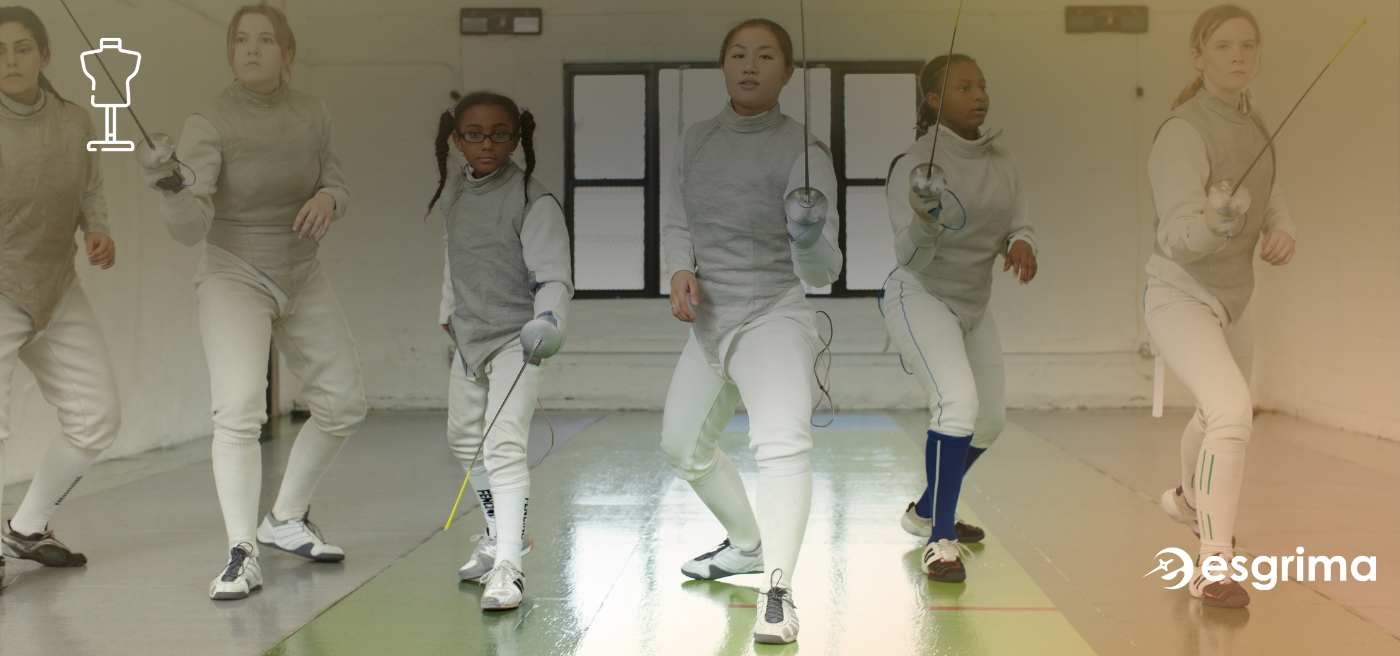
    Footwork is the foundation of great fencing. For beginners, understanding and practicing proper fencing footwork can dramatically improve their overall performance and set them up for long-term success in the sport. Many young fencers naturally focus on blade techniques and scoring points, but without strong footwork, their efforts may fall short. Good footwork means quicker reactions, better balance, more effective attacks, and stronger defenses. It also helps fencers manage distance, timing, and control, which are crucial in competitive fencing. In this comprehensive guide, we’ll explore why fencing movement matters so much, outline key techniques every beginner should master, and share practical beginner fencing tips to help your child develop strong footwork skills right from the start.

    Why Fencing Footwork Matters

    Many people initially think fencing is mostly about the blade, but the truth is, great fencing starts from the ground up. Proper footwork is crucial for maintaining a strategic advantage and creating opportunities to score touches. Without solid footwork, even the best blade techniques can fall short.

    Good fencing footwork helps fencers:

    • Maintain balance and stability.
    • Control the distance between themselves and their opponent.
    • React swiftly to attacks and openings.
    • Generate power and speed in attacks.

    Tip: Strong footwork creates opportunities and helps young fencers avoid common mistakes like losing balance or mistiming attacks.

    Essential Footwork Techniques for Beginners

    When starting out, young fencers need to master several fundamental movements that will become the foundation of their fencing skills. Proper footwork ensures that beginners can move quickly and accurately, setting them up for successful attacks and defenses. These essential movements include:

    Advance and Retreat

    • Advance: Move forward by stepping with the front foot, followed by the back foot.
    • Retreat: Move backward by stepping with the back foot, followed by the front foot.

    Practicing advances and retreats helps fencers control distance effectively.

    Lunge

    • Extend the front leg quickly while pushing from the back leg, landing in a strong position with the front knee bent.

    A well-executed lunge is essential for scoring touches.

    En Garde Position

    • The basic ready stance with knees slightly bent, feet shoulder-width apart, and weight evenly balanced.

    Perfecting the en garde stance helps beginners remain balanced and ready to move in any direction.

    Tip: Regularly practicing these basic movements builds muscle memory, helping your child move instinctively during bouts.

    Beginner-Friendly Footwork Drills

    Drills are the best way for beginners to build good habits and improve their footwork skills. Through repetition, young fencers develop muscle memory and become comfortable performing movements instinctively. The following drills are beginner-friendly, effective, and easy to practice at home or in training:

    Line Drill

    • Mark a straight line with tape on the floor.
    • Practice advancing and retreating, keeping feet aligned and movements precise.

    Mirror Drill

    • Pair up with a partner.
    • One fencer moves forward and backward, while the other mirrors their movements.

    This drill improves reaction time and distance control.

    Target Lunge Drill

    • Set up a stationary target (like a glove or ball).
    • Practice lunging toward the target to improve accuracy and strength.

    Tip: Consistency is key—practice these drills regularly for noticeable improvement.

    Common Beginner Fencing Footwork Mistakes (and How to Fix Them)

    Every beginner makes mistakes, especially in the early stages of learning. Understanding these common issues early on can help your child correct them quickly and prevent long-term bad habits. The most frequent footwork mistakes beginners make, along with their solutions, include:

    • Dragging the Feet: Remind your child to lift their feet slightly with each step, maintaining a smooth motion.
    • Overextending During Lunges: Teach them to lunge within their comfortable reach to maintain control and balance.
    • Standing Too Upright: Encourage a lower stance with bent knees to improve balance and agility.

    Tip: Early correction of these habits prevents them from becoming long-term issues.

    Building Better Fencing Movement

    Improving fencing movement requires consistency and variety in training. Simply performing footwork drills isn’t enough—young fencers also need cross-training, warm-up routines, and strategic practice to truly excel. Incorporating these additional practices can significantly enhance their movement capabilities:

    • Footwork Warm-ups: Start every practice session with basic footwork exercises to build strength and flexibility.
    • Cross-Training: Activities like jumping rope or agility ladder drills can enhance foot speed and coordination.
    • Watch and Learn: Observing experienced fencers can help beginners visualize proper technique and understand effective movement.

    Tip: Reinforce the idea that improving footwork takes patience and consistent effort.

    Fencing Footwork Final Thoughts

    Footwork truly is the heart of fencing. By focusing on solid fencing footwork, beginners can lay a strong foundation for future success in the sport. Using these beginner fencing tips, your child can develop balanced, quick, and precise movements that boost their confidence and performance on the fencing strip.

  • Fencing Mindset: How to Help Your Child Stay Focused

    Fencing Mindset: How to Help Your Child Stay Focused

    Estimated reading time: 4 minutes

    As a parent, I’ve realized fencing isn’t just about physical skill—it’s also about what’s happening in your child’s mind. Developing the right fencing mindset can help your child stay focused, confident, and resilient, even against tough opponents. I know firsthand how easily young fencers can feel anxious, doubt themselves, or get frustrated during competitions. Thankfully, with some simple mental training for fencers, we can support our kids and help them build lasting fencing confidence. Here’s what I’ve learned about helping your child thrive mentally on the fencing strip.

    Why Mental Toughness is Key in Fencing

    Fencing moves fast. Our kids need quick decision-making, smart strategies, and strong emotional control to succeed. Without mental toughness, even talented fencers can struggle when things get tough. When my child began focusing on their mental game, we noticed some major improvements:

    • Better Focus: Staying locked into each point without getting distracted.
    • Higher Confidence: Believing in themselves, even after setbacks.
    • Calmer Under Pressure: Keeping cool during high-stakes bouts.
    • More Resilient: Bouncing back quickly after losses and mistakes.

    Parent Tip: Start teaching mental strategies early to help your child build lasting confidence on and off the strip.

    How to Build Confidence in Your Young Fencer

    Confidence doesn’t happen overnight—it grows with practice and positive experiences. I’ve found some effective ways to build my child’s fencing confidence:

    • Celebrate Small Wins: Notice every bit of progress—better footwork, a strong parry, or simply staying calm in a tough bout.
    • Encourage Positive Self-Talk: Teach your child affirmations like, “I’m prepared,” or “I’ve got this!”
    • Practice Under Real Conditions: Simulate tournament pressure during practice to get them used to competition nerves.
    • Set Realistic Goals: Rather than aiming just to win, encourage goals like staying aggressive or using new techniques.

    Parent Tip: Confidence builds with every little success, so keep celebrating the small moments!

    Helping Your Child Stay Focused

    In fencing, losing focus—even briefly—can be costly. Helping your child develop better focus has made a noticeable difference in how my kid competes.

    Here’s what worked for us:

    • Pre-Bout Routines: Having a consistent warm-up helps shift their mindset into “competition mode.”
    • Breathing Exercises: Simple deep breathing exercises calm nerves and sharpen attention before a match.
    • Visualization: Imagining successful moves before competing helps my child execute better during actual bouts.
    • One-Point Focus: Reminding my child to focus on the next touch (not the overall score) helps keep stress down.

    Parent Tip: Encourage your child to trust their training and stay in the moment rather than overthinking.

    Dealing with Pressure and Setbacks

    Pressure is tough for young athletes, and fencing can sometimes feel overwhelming. When my child faced tough losses or nerves, we learned a few ways to cope:

    • Reframe Nerves: Teach your child that feeling nervous is normal—and even helpful. It means they’re ready to compete!
    • Create a Reset Routine: A quick deep breath, shaking it out, or jumping lightly helps my child bounce back quickly.
    • Encourage Problem-Solving: Instead of getting stuck on mistakes, we talk about small adjustments they can make next time.
    • See Losses as Learning: Reminding them that every bout provides valuable lessons makes setbacks feel less daunting.

    Parent Tip: Always remind your child to recognize what they did well—even after tough matches.

    Building a Supportive Environment

    Creating a positive training environment helps kids feel safe taking risks and making mistakes. Here are some ways we built a supportive space for our child:

    • Praise Effort, Not Just Results: Celebrate hard work, determination, and effort over winning alone.
    • Show Good Sportsmanship: Our kids learn from watching us, so handling wins and losses gracefully is key.
    • Normalize Mistakes: Let your child know mistakes are a normal part of learning, not something to fear.
    • Encourage Friendships: A supportive fencing community boosts morale and motivation.

    Parent Tip: Reminding your child why they love fencing—whether it’s friendships, improvement, or fun—can reignite their passion when they feel discouraged.

    Fencing Mindset Final Thoughts

    Building mental toughness in fencing doesn’t have to be complicated. With the right mental training for fencers, you can help your child develop a strong, confident fencing mindset that lasts far beyond the strip. As parents, our support makes a huge difference in their fencing confidence and overall enjoyment of the sport. Remember, every challenge is a stepping stone toward becoming stronger, more resilient, and ultimately, a better fencer.