Category: Fencing Equipment & Gear

  • Fencing Equipment: What Fencing Gear Does Your Child Need?

    Fencing Equipment: What Fencing Gear Does Your Child Need?

    Estimated reading time: 5 minutes

    Starting fencing is an exciting journey, but as a parent, you might feel overwhelmed by the variety of fencing equipment available. Understanding what gear your fencer needs, how to choose the right fit, and where to buy quality fencing gear is crucial in setting them up for success. This guide will break down everything you need to know about assembling a beginner fencing kit, ensuring your child has the right equipment for both practice and competition.

    Essential Fencing Equipment for Beginners

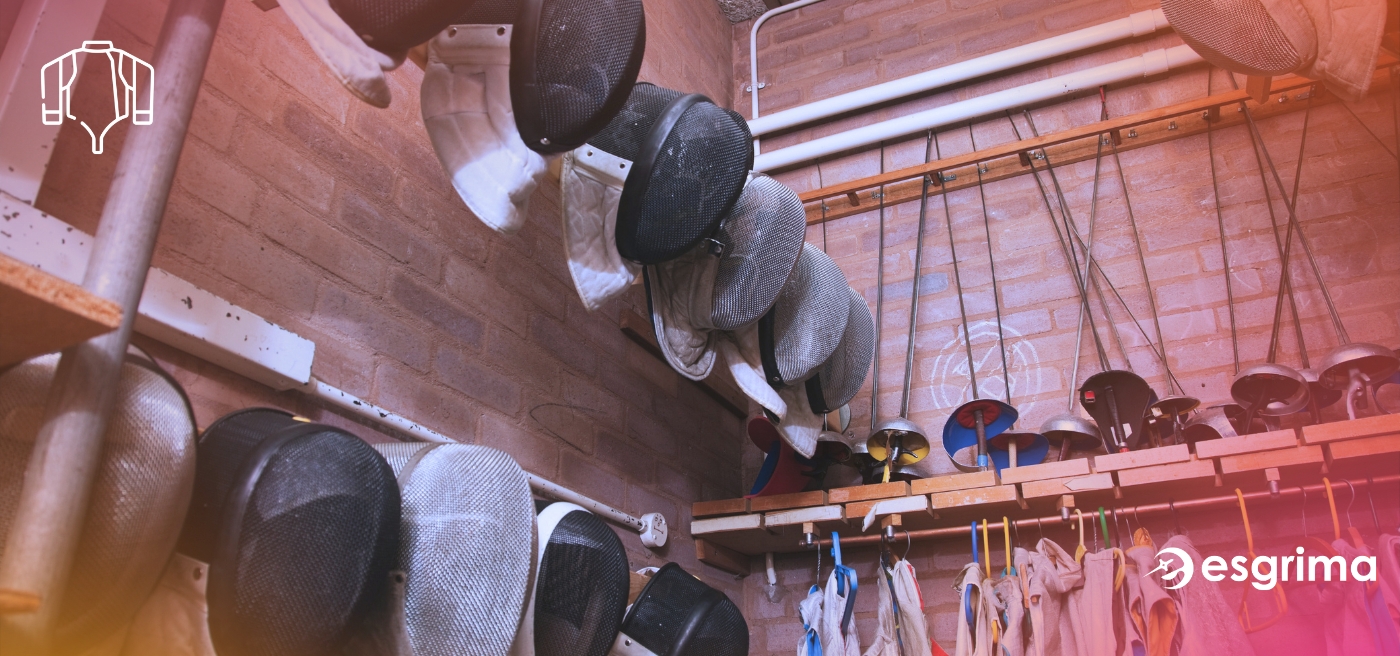
    A complete fencing kit consists of several key pieces of gear, all designed to protect the fencer and enhance their performance. Each piece serves a crucial function, from ensuring safety to allowing precise movements during bouts. Below is a breakdown of each essential item:

    1.1 Fencing Weapon

    There are three types of fencing weapons:

    • Foil – A lightweight weapon with a flexible blade, used in point-based attacks to the torso.
    • Épée – A heavier weapon with a stiffer blade, where the entire body is a target.
    • Saber – A fast-paced weapon allowing attacks with the edge of the blade to the upper body.

    Tip: If your fencer is just starting, they may begin with foil, as it provides the foundational skills needed for all three weapons.

    1.2 Fencing Mask

    The fencing mask is a crucial piece of protective gear that shields the head and face. Each weapon requires a different type of mask:

    • Foil Mask – Features a conductive bib to register touches on the valid target area.
    • Épée Mask – Similar in design but without the conductive bib.
    • Saber Mask – Entire mask is conductive to register head touches.

    When selecting a mask:

    • Ensure it fits snugly and does not shift during movement.
    • Look for masks that meet FIE or USA Fencing safety standards.

    1.3 Fencing Jacket

    A padded jacket designed to absorb impact and prevent injuries. Key features:

    • Must be made of strong, puncture-resistant material.
    • Comes in electric (metallic) or standard versions, depending on the weapon.
    • Should allow free movement while maintaining a secure fit.

    1.4 Plastron (Underarm Protector)

    • Worn under the fencing jacket for additional protection to the sword arm and torso.
    • Required in competitions to reduce injury risk from strong impacts.

    1.5 Fencing Glove

    • Protects the weapon hand from impact and provides grip.
    • Saber gloves have a conductive cuff to register scoring.
    • Must fit securely without restricting hand movements.

    1.6 Breeches (Fencing Pants) & Long Socks

    • Breeches cover the legs from the waist to just below the knee.
    • High socks are worn to cover the exposed lower leg.
    • Essential for leg protection and mobility during lunges and movement.

    1.7 Chest Protector (Optional but Recommended)

    • Required for female fencers and optional for males.
    • Provides additional protection from direct hits.

    1.8 Fencing Shoes

    While beginners can wear athletic shoes, fencing-specific shoes offer:

    • Better grip and lateral movement support.
    • Reinforced padding for lunges and quick movements.
    • Durability to withstand the sport’s demands.

    Electric Fencing Gear: What’s Needed for Competitions?

    If your fencer plans to compete, they will need electric fencing gear, which connects to the scoring system to accurately track touches and determine valid points. This specialized equipment ensures fair play and allows referees and spectators to follow the action in real time.

    2.1 Lame (Electric Jacket)

    • A conductive metallic vest worn over the fencing jacket.
    • Required for foil and saber fencers.
    • Helps the scoring system register valid touches.

    2.2 Body Cord & Mask Cord

    • Body Cord – Connects the weapon to the scoring system.
    • Mask Cord – Used in foil and saber to register head and bib touches.

    2.3 Electric Weapon

    • Different from practice weapons, as it includes a wired tip for scoring.
    • Must be well-maintained to avoid malfunctions during competition.

    Choosing the Right Fencing Gear for Your Child

    When selecting fencing equipment, it’s important to choose gear that not only fits properly but also provides optimal protection and durability. The right equipment can enhance your fencer’s comfort and performance, reducing the risk of injuries while allowing them to focus on improving their skills. Consider the following key factors to make an informed decision:

    3.1 Size & Fit

    • Gear should fit snugly but not restrict movement.
    • Masks and jackets come in various sizes, so check size charts before purchasing.

    3.2 Durability & Safety Standards

    • Look for equipment that meets FIE or USA Fencing standards.
    • Investing in high-quality gear ensures better protection and longevity.

    3.3 Buying vs. Renting Gear

    • Renting: Ideal for beginners who are trying out the sport.
    • Buying: Better for long-term commitment and frequent competition.

    Tip: If buying, consider purchasing from reputable fencing suppliers to ensure quality and compliance with safety standards.

    Where to Buy Fencing Equipment?

    Finding the right fencing gear is essential for your child’s comfort and safety, and purchasing from a reliable source ensures quality and durability. There are several trustworthy options for buying fencing equipment, whether you prefer to shop locally or online:

    • Local Fencing Clubs – Some clubs sell or rent equipment.
    • Online Retailers – Stores like Absolute Fencing, Blue Gauntlet, Leon Paul, and AllStar Fencing offer a wide range of gear.
    • Second-Hand Gear – Check fencing forums or club sales for used equipment at a lower price.

    Tip: Always check for warranty and return policies when purchasing gear online.

    Caring for Fencing Equipment

    Taking care of fencing equipment is just as important as selecting the right gear. Proper maintenance ensures your fencer’s gear lasts longer, performs effectively, and remains safe during practice and competition. Regular upkeep extends the lifespan of each piece and helps prevent unexpected equipment failures. Here are some essential maintenance tips:

    • Clean masks and jackets regularly to prevent odor and bacteria buildup.
    • Inspect weapons for loose parts and tighten screws as needed.
    • Store electric gear properly to avoid damage to wires and connections.

    How Much Does a Beginner Fencing Kit Cost?

    The cost of a full fencing kit varies based on quality, brand, and whether the equipment is designed for practice or competition. Higher-end gear often provides better durability, comfort, and compliance with international standards, while budget-friendly options are suitable for beginners just starting out. Here’s a breakdown of expected costs:

    Beginner fencing kit cost

    Tip: Some retailers offer starter kits at discounted rates, which include all essential items.

    Equipping your child with the right fencing gear is essential for their comfort, safety, and performance. Whether they are starting out or preparing for competition, understanding the required equipment will help you make informed decisions. By investing in quality gear and maintaining it properly, your child can enjoy a safe and successful fencing experience.

    In our follow-up we’ll dig into fencing brands and online shops.

  • Fencing Weapons: Epee, Foil, or Saber. What’s the Right One?

    Fencing Weapons: Epee, Foil, or Saber. What’s the Right One?

    Estimated reading time: 5 minutes

     One of the most exciting decisions in a young fencer’s journey is choosing their weapon. But with three distinct fencing weapons—épée, foil, and saber—it can be overwhelming to know which one is the best fit. Each weapon has unique rules, target areas, and strategies, making the choice an important part of your child’s fencing experience. In this guide, we’ll break down the differences between foil vs. épée vs. saber and help you decide the best fencing weapon for your child.

    Understanding the Three Fencing Weapons

    Before choosing a weapon for fencing, it’s essential to understand the characteristics of each type, including how they influence a fencer’s style, strategy, and approach to competition. Each fencing weapon has its own unique set of rules, target areas, and techniques, which can impact how a fencer develops their skills and refines their tactics over time.

    Foil

    • Weight & Size: Light and flexible, making it a great starting weapon for beginners.
    • Target Area: Only the torso (chest, stomach, and back) counts as a valid hit.
    • Scoring Rules: Uses the “right of way” rule, meaning only the fencer who initiates the attack correctly can score.
    • Style of Play: Emphasizes precision, technique, and control.

    Best for: Fencers who enjoy strategy, patience, and tactical movement.

    “The foil is like a chess game, the épée is like a duel, and the saber is like a street fight.”

    Épée

    • Weight & Size: Heavier than foil, with a stiff, larger blade.
    • Target Area: The entire body is a valid target.
    • Scoring Rules: No “right of way” rule—whoever lands a touch first scores the point.
    • Style of Play: Rewards defensive play, patience, and counter-attacks.

    Best for: Fencers who prefer a slower, more methodical approach and enjoy strategic duels.

    “Épée is the weapon of truth. There is no right of way—just hit or be hit.”

    Saber

    • Weight & Size: Similar in size to foil but allows for cutting with the blade’s edge.
    • Target Area: The upper body, including the torso, arms, and head.
    • Scoring Rules: Uses “right of way” like foil, but is much faster-paced.
    • Style of Play: Aggressive and high-energy, requiring quick reflexes and explosive movement.

    Best for: Fencers who love fast action and an offensive style of play.

    “Saber is a game of speed; foil is a game of finesse; épée is a game of patience.”

    Key Differences: Foil vs. Épée vs. Saber

    When selecting a weapon for fencing, understanding how each one plays is essential. Fencing weapons differ in both technique and strategy, shaping how fencers approach a bout. Foil rewards precision and tactical decision-making, épée demands patience and well-timed counterattacks, while saber is all about speed and aggression. Whether your fencer enjoys a methodical approach or thrives in high-energy exchanges, choosing the right weapon will enhance their enjoyment and success in fencing.

    Target Areas

    • Foil: Only the torso is a valid target.
    • Épée: The entire body is a valid target.
    • Saber: The upper body, including arms and head, is a valid target.

    Right of Way Rules

    • Foil & Saber: Right of way applies, meaning the first fencer to initiate an attack correctly gets the point.
    • Épée: No right of way—whoever lands a touch first scores, even if both hit at the same time.

    Speed & Play Style

    • Foil: Medium-paced, focusing on finesse and technique.
    • Épée: The slowest of the three, rewarding patience and counterattacks.
    • Saber: The fastest weapon, demanding explosive speed and aggressive action.

    Which Weapon is Right for Your Fencer?

    Choosing the right fencing weapon depends on your child’s personality, strengths, and long-term goals in the sport. Some fencers prefer a strategic and patient approach, while others thrive on speed and aggression. The best choice will align with their natural tendencies and competitive mindset, helping them develop confidence and enjoy their fencing journey. Here’s a breakdown of which type of fencer thrives with each weapon:

    Foil Might Be Best If Your Fencer…

    • Enjoys strategy and technical precision.
    • Prefers structured rules and controlled movements.
    • Wants to build solid fundamentals before trying other weapons.

    Épée Might Be Best If Your Fencer…

    • Has a patient and methodical approach to competition.
    • Prefers a straightforward, “whoever lands first” scoring system.
    • Enjoys defensive tactics and counter-attacking.

    Saber Might Be Best If Your Fencer…

    • Loves fast-paced, aggressive play.
    • Has quick reflexes and thrives in high-energy situations.
    • Enjoys an attacking, action-oriented sport.

    Pro Tip: Many fencers start with foil before transitioning to épée or saber later on.

    Gear Considerations for Each Fencing Weapon

    Each fencing weapon requires slightly different gear to accommodate its unique rules and scoring system. While all fencers wear the same core protective equipment, such as masks, jackets, and gloves, the differences in foil, épée, and saber require specialized additions, such as conductive lames for foil and saber, or a heavier blade for épée. Ensuring your child has the correct gear for their chosen weapon is crucial for both safety and competition readiness:

    • Foil Equipment: Lighter blade, metallic lame (jacket) to register hits, right of way-based scoring system.
    • Épée Equipment: Heavier blade, no metallic lame needed, full-body scoring system.
    • Saber Equipment: Similar to foil but includes a metallic mask and glove for right of way-based scoring.

    If your child is starting at a club, they may use beginner gear provided by the school before investing in their own equipment.

    Transitioning Between Fencing Weapons

    It’s common for young fencers to try multiple weapons before settling on their favorite. If your child is unsure, they can:

    • Start with foil to build foundational skills.
    • Experiment with épée or saber to see what feels natural.
    • Talk to their coach about which weapon suits their style best.

    Many competitive fencers develop skills in all three weapons before specializing as they advance in the sport.

    Helping Your Fencer Choose the Right Fencing Weapon

    The best fencing weapon for your child depends on their play style, personality, and competitive goals. Each weapon offers a unique challenge and rewards different skills. No matter which they choose, fencing is a sport that builds discipline, strategy, and confidence.

    Encourage your child to explore different weapons and have fun with the learning process. The right weapon is the one they enjoy the most and feel motivated to improve in!